

Cyber attack on French supermarkets: A deep dive into the October 2026 incident.
3 min read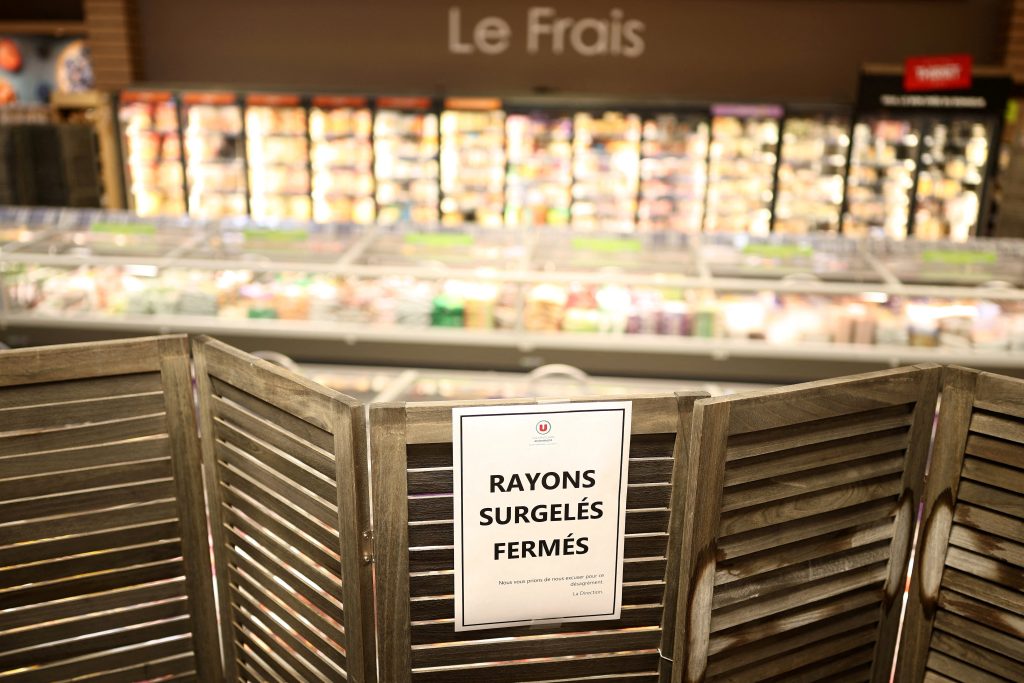
View of the closed frozen food aisle at a supermarket near Nantes after a cyberattack targeted refrigeration systems at French supermarket chains, causing food losses and fires at several stores, France, October 12, 2026. REUTERS/Stephane Mahe
In the early hours between October 11 and 12, 2026, France experienced a significant cyber attack that targeted the grocery retail sector, specifically the supermarket chains with widespread nationwide presence. The attack exploited vulnerabilities in the cybersecurity systems of various supermarkets, leading to a manipulation of temperature controls within their refrigeration systems. The cyber assault resulted in an alarming rise in temperatures, with refrigerated sections of stores reportedly reaching temperatures as high as 50°C (122°F). This malfeasance not only spoiled vast quantities of perishable goods but also triggered minor fires, prompting emergency responses in several locations.
Targeted Supermarkets
The attack primarily affected several major supermarket chains, including:
- Carrefour: As one of France’s largest retail chains, Carrefour was significantly impacted, with many of its stores reporting losses of perishable inventory and disruptions to operations.
- Leclerc: Another prominent chain, Leclerc stores across the nation experienced severe overheating in their refrigeration units, leading to food spoilage and financial losses.
- Intermarché: This chain also fell victim, with reports of compromised refrigeration systems causing massive inventory loss and concerns over food safety.
- Auchan: Branches of Auchan were not immune, facing similar temperature distortion issues that led to destroyed merchandise and operational chaos.
The Attack and Its Consequences
The attack was characterized by its brazen execution, as hackers managed to gain unauthorized access to the temperature management systems of numerous supermarket chains. It is believed that the attackers utilized phishing techniques to obtain login credentials or exploited unpatched vulnerabilities in outdated software systems.
The immediate consequence was disastrous: perishable food items including meats, dairy products, and frozen vegetables were rendered unsellable due to spoilage. With temperatures reaching dangerously high levels, multiple stores reported minor fires starting in the vicinity of malfunctioning refrigeration units, though fortunately, emergency services were able to contain these incidents without causing significant injuries.
Local authorities responded swiftly to the crisis, coordinating efforts to assess the extent of the damage, both to infrastructure and food safety. Quality control inspectors were deployed to evaluate the affected stores, while emergency support teams were activated to ensure consumer safety.
Government and Corporate Response
In response to the cyber attack, French authorities launched an immediate investigation, enlisting cybersecurity experts and law enforcement to trace the origins of the attack and identify the culprits. The French national cybersecurity agency, ANSSI, was called in to assist in the investigation and to bolster the defenses of affected supermarkets and other critical infrastructure.
Corporate responses varied, with supermarket chains urgently conducting audits of their cybersecurity protocols and systems. Many chains announced that they would accelerate plans to upgrade aging IT infrastructure and implement more robust cybersecurity measures to prevent future incidents. In particular, programs aimed at enhancing employee training in cybersecurity awareness were put forward as essential for protecting against phishing and other social engineering tactics.
The Aftermath
The aftermath of the attack revealed significant vulnerabilities within the supermarket chains’ IT infrastructure, raising alarms about the state of cybersecurity across various sectors in France. There were calls for more stringent regulators to oversee cybersecurity measures in essential services and critical retail supply chains. This incident came in the wake of rising concerns about cyber threats, particularly in light of experiences seen in the healthcare sector and critical infrastructure failures.
Insurance claims from the incident estimated financial losses in the millions, factoring in spoiled goods, damaged equipment, and subsequent legal liabilities. As a result, legal actions were anticipated against the hackers, with various governments increasing international cooperation to tackle cybercriminal organizations engaged in similar activities.
Looking Ahead
This incident has sparked a nation-wide discussion on the necessity for improved cybersecurity in both public and private sectors. The move toward increased regulatory oversight and the establishment of a comprehensive cybersecurity framework is expected to accelerate. Supermarkets and food retailers are likely to invest heavily in defensive capabilities, including adopting advanced cybersecurity measures like AI-driven monitoring systems to detect anomalies in real-time.
France’s formidable challenge is to not only recover from the immediate damages of this cyber attack but also to fortify its digital infrastructure for the long term, ensuring that consumer safety and trust are maintained amidst a rapidly evolving threat landscape.
As cyber threats continue to proliferate, the need for robust measures in cybersecurity remains paramount, illustrating that in this digital age, vigilance is crucial in safeguarding the sanctity of essential consumer services and public safety.